10 Best Ethical Hacking Books in 2023 | Beginner to Pro

Hacking is a term that has been associated with negative connotations, but it's not always the case. Ethical hacking has become an essential aspect of cybersecurity. It involves using various tools and techniques to identify vulnerabilities in computer systems and networks to protect them from malicious attacks.
One of the best ways to learn about ethical hacking is by reading books. The right book can provide you with a comprehensive understanding of the subject, including different types of attacks, how they work, and how to prevent them. When looking for the best hacking books, there are several factors to consider, such as the author's experience, the book's relevance to your skill level, and the practicality of the techniques discussed.
We spent countless hours researching and testing different hacking books to identify the ones that provide the most value to readers. From beginner-friendly books to advanced-level guides, we have compiled a list of the best hacking books that cover a range of topics, including network security, penetration testing, and ethical hacking. Whether you're a beginner or an experienced professional, our list has something for everyone.
Best Hacking Books
We have compiled a list of the best hacking books that can help you master the art of ethical hacking and improve your cybersecurity skills. These books are written by experts in the field and cover a wide range of topics, from the basics of hacking to advanced techniques used by professional hackers. Whether you are a beginner or an experienced hacker, these books will provide you with valuable insights and practical tips to enhance your knowledge and stay ahead of cyber threats. So, without further ado, let's dive into our top picks for the best hacking books.
The Web Application Hacker's Handbook: Finding and Exploiting Security Flaws
Introduction:
In today's interconnected digital landscape, the security of web applications is of paramount importance. To gain a deeper understanding of the vulnerabilities and exploit techniques prevalent in this domain, "The Web Application Hacker's Handbook" by Dafydd Stuttard and Marcus Pinto stands as an indispensable guide. This comprehensive book has garnered widespread acclaim for its in-depth exploration of discovering and exploiting security flaws in web applications. In this review, we will delve into the content and impact of this seminal work.
Unraveling Web Application Security:
"The Web Application Hacker's Handbook" provides an authoritative roadmap for both aspiring and experienced cybersecurity professionals seeking to fortify web applications against potential threats. Stuttard and Pinto combine their expertise to present a thorough examination of the techniques employed by malicious hackers, enabling readers to adopt a proactive approach in securing web applications.
Content and Structure:
The book commences by establishing a solid foundation in web application security, covering topics such as the basics of HTTP, web technologies, and application architecture. The authors gradually escalate the complexity, diving into a range of vulnerabilities, including injection attacks, cross-site scripting (XSS), cross-site request forgery (CSRF), and more.
One of the key strengths of this handbook lies in its practical approach. Through real-world case studies and step-by-step tutorials, Stuttard and Pinto equip readers with the necessary skills to identify and exploit security flaws ethically. By employing a hands-on methodology, the authors enable readers to understand the mindset of attackers and subsequently bolster their defensive measures.
Moreover, the book addresses advanced topics such as authentication mechanisms, session management, and securing AJAX applications. It also sheds light on emerging concerns like mobile web applications and cloud security, making it a contemporary and future-proof resource.
Comprehensiveness and Technical Depth:
"The Web Application Hacker's Handbook" is renowned for its extensive coverage and technical depth. The authors intricately dissect various attack vectors and provide detailed explanations of the underlying vulnerabilities. This level of depth ensures that the book is suitable for both beginners and seasoned professionals, making it an invaluable reference for anyone involved in web application security.
The authors' ability to balance theory and practice is commendable. They not only describe the attack techniques but also emphasize the significance of secure coding practices, proper input validation, output encoding, and other defensive strategies. This holistic approach ensures that readers gain a comprehensive understanding of both offensive and defensive aspects.
Conclusion:
"The Web Application Hacker's Handbook" by Dafydd Stuttard and Marcus Pinto deserves its reputation as an indispensable resource for web application security enthusiasts. Through its meticulous coverage, practical examples, and comprehensive exploration of vulnerabilities, this book equips readers with the knowledge and skills needed to discover and exploit security flaws ethically.
Whether you are an aspiring ethical hacker, a developer concerned with application security, or a security professional looking to enhance your skills, this handbook is an essential addition to your library. Stuttard and Pinto's expertise shines through every page, providing readers with the tools to protect web applications and mitigate potential threats in an increasingly interconnected world.
As technology continues to evolve, "The Web Application Hacker's Handbook" remains a timeless reference, guiding readers towards a deeper understanding of web application security. It not only equips them with the skills to identify vulnerabilities but also empowers them to strengthen the defenses of web applications, safeguarding the digital realm we depend upon.
Note: Hacking should always be conducted ethically and legally, with proper authorization. The book is intended for educational purposes to enhance cybersecurity knowledge and strengthen defenses against potential threats.
Mastering Penetration Testing with Metasploit: The Penetration Tester's Guide

Introduction:
In the world of cybersecurity, penetration testing plays a crucial role in identifying vulnerabilities and fortifying defenses. Among the arsenal of tools available, the open-source Metasploit Framework stands out as a powerful and widely adopted platform. In their authoritative guide, "Metasploit: The Penetration Tester's Guide," authors David Kennedy, Jim O'Gorman, Devon Kearns, and Mati Aharoni provide an in-depth exploration of this versatile framework. In this review, we will uncover the value and impact of this indispensable resource.
Unleashing the Power of Metasploit:
"Metasploit: The Penetration Tester's Guide" serves as a comprehensive handbook for individuals seeking to harness the full potential of the Metasploit Framework. This book serves as a roadmap, guiding readers through the various functionalities and techniques required for effective penetration testing and ethical hacking.
Content and Structure:
The authors begin by offering an overview of penetration testing, establishing a solid foundation for readers new to the field. From there, they delve into the core components of the Metasploit Framework, acquainting readers with its powerful features and functionalities. The book adopts a hands-on approach, combining theory with practical examples, ensuring that readers gain a deep understanding of how to utilize Metasploit effectively.
The guide progresses through various topics such as reconnaissance, vulnerability scanning, exploitation, post-exploitation, and reporting. Each chapter builds upon the previous, culminating in a comprehensive exploration of the framework's capabilities. Additionally, the book covers advanced topics, including social engineering, web application testing, and client-side attacks, making it suitable for both beginners and experienced professionals.
Practicality and Real-World Application:
What sets this book apart is its emphasis on real-world scenarios and practical application. The authors provide detailed walkthroughs, enabling readers to follow along and replicate the steps outlined. By incorporating hands-on exercises, they facilitate a deeper understanding of the concepts and techniques presented.
The authors' expertise shines through as they share valuable insights and best practices acquired from their extensive experience in the field. Throughout the book, readers are guided in a systematic manner, learning how to leverage Metasploit's vast array of modules, exploits, and payloads effectively.
Comprehensiveness and Relevance:
"Metasploit: The Penetration Tester's Guide" covers a wide range of topics, ensuring readers obtain a holistic view of penetration testing using the Metasploit Framework. From initial reconnaissance to exploitation and post-exploitation activities, the book offers comprehensive coverage of each phase. The authors also address advanced concepts, such as evasion techniques and custom module development, further expanding the readers' skill set.
Moreover, the authors recognize the evolving landscape of cybersecurity. They provide guidance on leveraging Metasploit for emerging technologies such as cloud environments, mobile platforms, and social engineering attacks. This ensures that readers are equipped with the knowledge and techniques necessary to tackle contemporary security challenges.
Conclusion:
"Metasploit: The Penetration Tester's Guide" by David Kennedy, Jim O'Gorman, Devon Kearns, and Mati Aharoni stands as an essential resource for anyone involved in penetration testing or ethical hacking. By providing a comprehensive and practical exploration of the Metasploit Framework, this book empowers readers to conduct effective security assessments and strengthen defenses against potential threats.
The authors' expertise, coupled with their ability to present complex concepts in a clear and accessible manner, makes this guide invaluable for both beginners and seasoned professionals. Whether you are a cybersecurity enthusiast, a penetration tester, or an IT professional seeking to enhance your skills, "Metasploit: The Penetration Tester's Guide" is an indispensable addition to your library.
With its focus on real-world application and relevance
to the ever-evolving cybersecurity landscape, this guide equips readers with the tools and knowledge needed to navigate the intricacies of the Metasploit Framework. It enables them to uncover vulnerabilities, exploit weaknesses ethically, and ultimately contribute to a more secure digital world.
Note: Ethical hacking and penetration testing should always be conducted with proper authorization and in accordance with legal and ethical guidelines. The book serves as an educational resource to enhance cybersecurity knowledge and promote responsible security practices.
Unveiling the Secrets of Hacking A Review of "Hacking: The Art of Exploitation

Introduction:
In the realm of cybersecurity, the art of hacking holds a mystique that captivates enthusiasts and professionals alike. Jon Erickson's "Hacking: The Art of Exploitation" serves as an exceptional guide, unveiling the fundamentals of hacking with a comprehensive exploration of programming, network protocols, and exploit development. In this review, we will delve into the content and impact of this influential book, which has become a staple resource in the field.
The Journey into Hacking:
"Hacking: The Art of Exploitation" takes readers on an immersive journey into the world of hacking, beginning with a solid foundation in programming. Erickson emphasizes the importance of understanding the underlying concepts and techniques to wield hacking as a powerful tool for defensive purposes.
Content and Structure:
The book begins by introducing readers to the C programming language, a key aspect of hacking. Through practical examples and hands-on exercises, Erickson guides readers through various programming concepts, enabling them to write their own tools and scripts for hacking purposes. This approach allows readers to grasp the fundamental principles while fostering a creative and exploratory mindset.
As the book progresses, Erickson dives into network protocols, teaching readers how to analyze and manipulate network traffic. This section provides insights into the workings of networks, fostering an understanding of vulnerabilities and potential attack vectors.
One of the book's notable strengths lies in its exploration of exploit development. Erickson unravels the intricacies of identifying and exploiting vulnerabilities in software. By providing step-by-step tutorials and case studies, he equips readers with the knowledge and skills to discover and capitalize on security weaknesses ethically.
Comprehensiveness and Technical Depth:
Erickson's book covers a wide range of topics, making it a comprehensive resource for aspiring hackers and cybersecurity professionals. From the basics of programming to advanced exploit development techniques, each chapter builds upon the previous, ensuring a well-rounded understanding of hacking methodologies.
The technical depth of the book is impressive. Erickson goes beyond surface-level explanations, providing readers with the necessary tools to dive deep into the subject matter. Through practical examples, he elucidates complex concepts, demystifying the intricacies of hacking for readers of varying skill levels.
Ethics and Responsible Hacking:
Erickson takes a responsible approach to hacking throughout the book. He emphasizes the importance of ethical hacking, using acquired skills to improve security rather than engaging in malicious activities. By promoting a responsible mindset, the author ensures that readers understand the ethical implications and legal considerations associated with hacking.
Conclusion:
"Hacking: The Art of Exploitation" by Jon Erickson stands as a timeless and essential resource for anyone interested in hacking and cybersecurity. With its comprehensive coverage of programming, network protocols, and exploit development, this book equips readers with the knowledge and skills needed to navigate the intriguing world of hacking.
Erickson's ability to explain complex concepts in a clear and accessible manner sets this book apart. The hands-on approach, coupled with practical examples and exercises, encourages readers to actively engage with the material, fostering a deeper understanding of the subject matter.
Whether you are an aspiring hacker, a cybersecurity professional seeking to enhance your skills, or an individual interested in understanding the inner workings of hacking, "Hacking: The Art of Exploitation" is an invaluable addition to your library. It not only equips you with technical expertise but also promotes responsible hacking practices and a deep appreciation for the complexities of cybersecurity.
Note: Hacking should always be conducted ethically and legally, with proper authorization. The book is intended for educational purposes to enhance cybersecurity knowledge and promote responsible security practices.
Unveiling the Secrets of the Dark Side: A Review of "The Shellcoder's Handbook

Introduction:
In the ever-evolving landscape of cybersecurity, understanding the techniques employed by malicious hackers is essential for developing robust defense strategies. "The Shellcoder's Handbook" by Chris Anley, John Heasman, Felix Lindner, and Gerardo Richarte delves into the dark and intricate world of software vulnerabilities, equipping readers with insights into the techniques used by hackers to exploit them. In this review, we will explore the content and impact of this influential book, which sheds light on the methods that lie at the core of cyber attacks.
Exploring the Depths of Exploitation:
"The Shellcoder's Handbook" offers a comprehensive exploration of software vulnerabilities, focusing on the techniques employed by hackers to exploit them. With its in-depth analysis, this book provides invaluable knowledge for security professionals, programmers, and anyone interested in understanding the offensive side of cybersecurity.
Content and Structure:
The book begins by establishing a strong foundation in assembly language and low-level systems, enabling readers to comprehend the inner workings of software and how vulnerabilities can be introduced. The authors then delve into a variety of exploit techniques, including buffer overflows, format string vulnerabilities, heap overflows, and more.
Each chapter of the book delves into a specific vulnerability or exploit technique, guiding readers through real-world examples and hands-on exercises. The authors employ a systematic approach, explaining the technical intricacies while demonstrating the steps taken by attackers to exploit these weaknesses.
Comprehensiveness and Technical Depth:
"The Shellcoder's Handbook" is highly regarded for its comprehensive coverage of various exploit techniques and vulnerabilities. The authors meticulously dissect each topic, providing detailed explanations accompanied by practical examples and code snippets. This level of technical depth ensures that the book caters to both beginners and seasoned professionals in the field.
The authors' expertise shines through as they uncover the inner workings of exploit development, shellcode creation, and exploit payloads. By highlighting the vulnerabilities and techniques used by malicious actors, the book equips readers with a deeper understanding of the potential risks software faces in the wild.
Ethics and Responsible Use:
While the book explores the methods employed by malicious hackers, it is important to note that its intention is to enhance defensive capabilities and promote responsible security practices. The authors emphasize the significance of ethical use and proper authorization throughout the book, ensuring readers understand the ethical implications associated with hacking techniques.
Conclusion:
"The Shellcoder's Handbook" by Chris Anley, John Heasman, Felix Lindner, and Gerardo Richarte is an invaluable resource for individuals seeking to gain insights into the techniques employed by malicious hackers to exploit software vulnerabilities. With its comprehensive coverage of exploit techniques, practical examples, and in-depth analysis, the book equips readers with the knowledge and skills to develop robust defenses against cyber threats.
While the content of the book focuses on the offensive side of cybersecurity, its intent is to promote responsible security practices and enhance defensive capabilities. It serves as a guide for security professionals, programmers, and individuals interested in understanding the intricacies of software vulnerabilities and the techniques used to exploit them.
"The Shellcoder's Handbook" is an essential addition to any cybersecurity library, offering a rare glimpse into the mindset and techniques employed by hackers. By understanding the offensive tactics, readers can better protect software and systems, contributing to a more secure digital world.
Note: The book is intended for educational purposes to enhance cybersecurity knowledge and fortify defenses against potential threats. The knowledge gained from this book should be utilized responsibly and ethically, with proper authorization.
Unleashing Python's Power: A Review of "Black Hat Python: Python Programming for Hackers and Pentesters

Introduction:
In the realm of cybersecurity, Python has emerged as a versatile and powerful programming language. "Black Hat Python: Python Programming for Hackers and Pentesters" by Justin Seitz explores the potential of Python in the context of offensive hacking, providing readers with valuable insights into network and system security. In this review, we will delve into the content and impact of this influential book, which serves as a guide to Python programming techniques for offensive security professionals.
Harnessing Python for Offensive Security:
"Black Hat Python" dives into the fascinating world of offensive hacking, leveraging Python as a primary tool for exploring network vulnerabilities and system security. This book is designed to equip readers with the knowledge and skills necessary to understand and develop offensive security techniques.
Content and Structure:
The book begins by familiarizing readers with the Python programming language, covering key concepts and syntax. From there, Justin Seitz delves into a wide range of topics, including network scanning, packet manipulation, exploiting network protocols, malware creation, and more.
Each chapter presents practical examples and hands-on exercises, enabling readers to apply Python programming techniques directly in offensive hacking scenarios. The author's approach balances theoretical explanations with practical implementation, ensuring a comprehensive understanding of how Python can be used for offensive security purposes.
Comprehensiveness and Practicality:
"Black Hat Python" provides a comprehensive exploration of Python's applications in offensive security. It covers a wide range of topics, from basic network reconnaissance to advanced exploit development. The book not only explains the techniques used by hackers but also teaches readers how to implement them ethically and responsibly.
What sets this book apart is its emphasis on practicality. Seitz's focus on real-world scenarios ensures that readers gain hands-on experience in utilizing Python for offensive security. The author's vast experience in the field shines through as he shares practical tips, tricks, and best practices, offering valuable insights into the mindset of a professional hacker.
Ethics and Responsible Use:
While the book focuses on offensive hacking techniques, it is important to emphasize the ethical considerations associated with such practices. Seitz consistently emphasizes responsible use and adherence to legal and ethical guidelines throughout the book. By promoting a responsible mindset, readers are encouraged to utilize the knowledge gained for defensive purposes and ethical hacking.
Conclusion:
"Black Hat Python: Python Programming for Hackers and Pentesters" by Justin Seitz is a comprehensive resource for security professionals and enthusiasts interested in offensive hacking techniques. Through its practical examples and hands-on exercises, the book equips readers with the knowledge and skills to leverage Python for exploring network and system vulnerabilities.
Seitz's ability to explain complex concepts in a clear and accessible manner makes this book suitable for both beginners and experienced Python programmers. It serves as a bridge between Python programming and offensive security, providing readers with the tools and insights necessary to navigate the intricacies of cybersecurity.
It is important to note that "Black Hat Python" is intended for educational purposes to enhance cybersecurity knowledge and promote responsible security practices. Ethical hacking should always be conducted with proper authorization and adherence to legal and ethical guidelines.
By exploring the offensive side of security, readers can gain a deeper understanding of potential vulnerabilities and develop robust defense strategies. "Black Hat Python" is a valuable addition to any cybersecurity library, empowering readers to harness the power of Python for offensive security while promoting ethical and responsible hacking practices.
Unmasking the Human Element: A Review of "Social Engineering: The Art of Human Hacking

Introduction:
In the realm of cybersecurity, the human element is often considered the weakest link in the chain. "Social Engineering: The Art of Human Hacking" by Christopher Hadnagy explores the psychological aspects of hacking, shedding light on the techniques employed to manipulate individuals into revealing sensitive information. In this review, we will delve into the content and impact of this influential book, which uncovers the intriguing world of social engineering and its implications for cybersecurity.
Understanding the Art of Human Hacking:
"Social Engineering: The Art of Human Hacking" delves into the intricate realm of manipulating human behavior and exploiting psychological vulnerabilities. Christopher Hadnagy presents readers with a comprehensive exploration of social engineering techniques, shedding light on the methods used by malicious actors to manipulate individuals and gain unauthorized access to information.
Content and Structure:
The book takes readers on a captivating journey through the psychological aspects of hacking. It covers a wide range of social engineering tactics, including pre-texting, elicitation, manipulation through influence and persuasion, and more. Hadnagy combines real-world examples, case studies, and practical advice, providing readers with valuable insights into the art of human hacking.
Each chapter of the book focuses on a specific social engineering technique, unraveling its nuances and offering countermeasures to mitigate the risks associated with such tactics. Through engaging storytelling and relatable scenarios, the author effectively illustrates the psychological principles behind social engineering, enabling readers to grasp the techniques and potential vulnerabilities involved.
Comprehensiveness and Practicality:
"Social Engineering: The Art of Human Hacking" is highly comprehensive in its coverage of social engineering techniques. Hadnagy not only explains the psychological principles at play but also provides practical guidance on how to detect, prevent, and defend against social engineering attacks.
The author's practical approach, backed by his extensive experience in the field, makes the book particularly valuable. Hadnagy shares insights into the mindset and tactics used by social engineers, offering readers a unique perspective on the potential risks individuals and organizations face.
Ethics and Responsible Use:
While the book delves into the techniques employed by malicious social engineers, it is important to emphasize the ethical considerations associated with such practices. Hadnagy emphasizes responsible use and ethical boundaries throughout the book, encouraging readers to apply the knowledge gained for defensive purposes and to raise awareness about social engineering attacks.
Conclusion:
"Social Engineering: The Art of Human Hacking" by Christopher Hadnagy is a thought-provoking and comprehensive resource that sheds light on the psychological aspects of hacking. Through its exploration of social engineering techniques, the book equips readers with valuable insights into the methods employed to manipulate individuals and gain unauthorized access to information.
Hadnagy's ability to communicate complex psychological principles in an accessible manner makes this book suitable for both cybersecurity professionals and individuals interested in understanding the human element of hacking. It serves as a wake-up call, emphasizing the importance of human awareness, education, and defensive strategies in the face of social engineering attacks.
It is crucial to note that "Social Engineering: The Art of Human Hacking" is intended for educational purposes to enhance cybersecurity knowledge and promote responsible security practices. Ethical considerations should always be at the forefront, ensuring that the knowledge gained is used ethically, legally, and with proper authorization.
By understanding the psychology behind social engineering, readers can develop proactive defense strategies and create a culture of security awareness. "Social Engineering: The Art of Human Hacking" is an essential addition to any cybersecurity library, empowering individuals and organizations to better defend against the manipulation of the human element in the digital age.
Unlocking the World of Hacking: A Review of "The Basics of Hacking and Penetration Testing

Introduction:
In the dynamic landscape of cybersecurity, understanding the fundamentals of hacking and penetration testing is crucial for developing effective defensive strategies. "The Basics of Hacking and Penetration Testing" by Patrick Engebretson serves as an insightful introduction to the methodologies, tools, and techniques involved in these essential cybersecurity practices. In this review, we will explore the content and impact of this influential book, which provides a solid foundation for individuals interested in exploring the world of hacking and penetration testing.
Unveiling the Essentials:
"The Basics of Hacking and Penetration Testing" takes readers on a comprehensive journey, starting from the basics and gradually building a strong understanding of hacking and penetration testing methodologies. Engebretson lays the groundwork by providing readers with an overview of the hacker mindset, ethical considerations, and legal aspects, ensuring a responsible approach to cybersecurity exploration.
Content and Structure:
The book follows a logical progression, covering a wide range of topics. It begins with the exploration of networking fundamentals, followed by an introduction to various hacking and penetration testing tools, methodologies, and techniques. Engebretson provides step-by-step explanations, practical examples, and hands-on exercises, allowing readers to apply their newfound knowledge in real-world scenarios.
One of the book's strengths lies in its emphasis on practicality. The author demystifies complex concepts and provides clear instructions on utilizing popular tools and techniques, such as reconnaissance, scanning, exploitation, and post-exploitation activities. The inclusion of real-world case studies further enhances the practicality of the book, providing readers with insights into how hacking and penetration testing are conducted in the field.
Comprehensiveness and Accessibility:
"The Basics of Hacking and Penetration Testing" strikes a balance between comprehensiveness and accessibility. Engebretson's clear writing style and concise explanations make complex topics easily digestible for readers with varying levels of technical expertise. The book is suitable for beginners, students, and IT professionals who wish to expand their knowledge of hacking and penetration testing.
Engebretson ensures that readers develop a well-rounded understanding of the subject matter by covering both the technical aspects and the necessary ethical considerations associated with hacking and penetration testing. By highlighting the importance of responsible and authorized use, the book fosters a culture of ethical hacking and emphasizes the significance of securing systems against potential threats.
Conclusion:
"The Basics of Hacking and Penetration Testing" by Patrick Engebretson is an invaluable resource for individuals seeking an introduction to the world of hacking and penetration testing. Through its comprehensive coverage, practical examples, and hands-on exercises, the book equips readers with the foundational knowledge and skills necessary to understand and explore these essential cybersecurity practices.
Engebretson's ability to explain complex concepts in a clear and accessible manner makes this book suitable for readers with various levels of technical expertise. It serves as an ideal starting point for individuals interested in pursuing a career in cybersecurity, as well as for professionals seeking to enhance their knowledge and skills in hacking and penetration testing.
It is important to note that "The Basics of Hacking and Penetration Testing" is intended for educational purposes to promote responsible security practices and ethical hacking. Readers are encouraged to apply the knowledge gained from the book ethically, legally, and with proper authorization.
By demystifying the world of hacking and penetration testing, this book empowers readers to take a proactive approach to cybersecurity. "The Basics of Hacking and Penetration Testing" is a valuable addition to any cybersecurity library, providing a solid foundation for individuals venturing into the exciting and ever-evolving field of hacking and penetration testing.
Decoding the Secrets: A Review of "Practical Malware Analysis: The Hands-On Guide to Dissecting Malicious Software
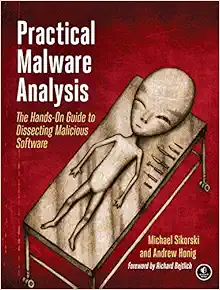
Introduction:
In the realm of cybersecurity, understanding and dissecting malicious software is a critical skill for combating cyber threats. "Practical Malware Analysis: The Hands-On Guide to Dissecting Malicious Software" by Michael Sikorski and Andrew Honig provides readers with an invaluable resource for delving into the world of malware analysis. In this review, we will explore the content and impact of this influential book, which equips readers with practical examples and techniques to analyze and comprehend the inner workings of malicious software.
Unveiling the Malware Universe:
"Practical Malware Analysis" serves as a comprehensive guide, taking readers on an engaging journey through the intricacies of malware analysis. It aims to demystify the world of malicious software by providing practical examples and hands-on exercises, allowing readers to develop the skills required to understand, analyze, and combat malware effectively.
Content and Structure:
The book starts by introducing readers to essential concepts and tools necessary for malware analysis. From there, Sikorski and Honig dive into various techniques and methodologies used to dissect and analyze malicious software. They cover a wide range of topics, including static and dynamic analysis, code and behavior analysis, reverse engineering, and malware classification.
What sets this book apart is its emphasis on practicality. Each chapter presents real-world malware samples, enabling readers to apply the knowledge gained through hands-on exercises. The authors provide step-by-step instructions, valuable tips, and insights into the thought processes of malware analysts, making the learning experience engaging and rewarding.
Comprehensiveness and Practicality:
"Practical Malware Analysis" offers a comprehensive approach to malware analysis. It covers various types of malware, including viruses, worms, Trojans, and rootkits, providing readers with a diverse understanding of the malicious software landscape. The authors guide readers through both basic and advanced techniques, catering to individuals with varying levels of expertise.
The book's practicality lies in its focus on real-world scenarios. Sikorski and Honig emphasize the importance of hands-on experience, allowing readers to gain practical skills and insights into the techniques used by malware authors. By replicating the analysis process, readers develop a deeper understanding of malware behavior, enabling them to detect and mitigate threats more effectively.
Ethics and Responsible Use:
While the book delves into the dissection of malicious software, it is essential to highlight the ethical considerations associated with such practices. Sikorski and Honig emphasize the responsible and authorized use of malware analysis techniques, promoting a mindset that aligns with ethical hacking and cybersecurity best practices.
Conclusion:
"Practical Malware Analysis: The Hands-On Guide to Dissecting Malicious Software" by Michael Sikorski and Andrew Honig is an invaluable resource for individuals seeking to enhance their skills in malware analysis. Through its practical examples, step-by-step instructions, and engaging exercises, the book equips readers with the knowledge and techniques necessary to understand and combat malicious software.
Sikorski and Honig's ability to present complex concepts in a clear and accessible manner makes this book suitable for both beginners and experienced practitioners in the field of cybersecurity. It serves as an essential reference for malware analysts, incident responders, and anyone interested in deepening their understanding of malware behavior.
It is important to note that "Practical Malware Analysis" is intended for educational purposes to enhance cybersecurity knowledge and promote responsible security practices. Ethical considerations should always be at the forefront, ensuring that the knowledge gained is used ethically, legally, and with proper authorization.
By unraveling the secrets of malware, this book empowers readers to stay ahead of cyber threats and develop effective defense strategies. "Practical Malware Analysis" is
a must-have addition to any cybersecurity library, enabling individuals to dissect and understand the inner workings of malicious software in their quest to protect digital ecosystems from evolving cyber threats.
Unleashing the Secrets of Web Application Security: A Review of The Web Application Hacker's Handbook

Introduction:
In an increasingly digital world, web applications have become an integral part of our lives. However, their widespread use also makes them attractive targets for malicious hackers. "The Web Application Hacker's Handbook: Finding and Exploiting Security Flaws" by Dafydd Stuttard, Marcus Pinto, and Michal Zalewski serves as an authoritative guide to web application security testing. In this review, we will explore the content and impact of this influential book, which equips readers with the knowledge and techniques necessary to identify and mitigate common vulnerabilities in web applications.
A Comprehensive Approach to Web Application Security:
"The Web Application Hacker's Handbook" delves deep into the realm of web application security, providing readers with a comprehensive understanding of the vulnerabilities and attack techniques used by malicious actors. The authors draw from their extensive experience in the field, offering practical insights and real-world examples to aid readers in their quest for secure web applications.
Content and Structure:
The book is organized systematically, guiding readers through various aspects of web application security testing. It covers the entire testing process, from information gathering and mapping the application's structure to identifying vulnerabilities and exploiting them. The authors explore common attack vectors, such as cross-site scripting (XSS), SQL injection, and authentication bypass, providing detailed explanations and step-by-step instructions.
What sets this book apart is its hands-on approach. Each chapter includes practical exercises and examples, allowing readers to apply the knowledge gained in real-world scenarios. The authors provide detailed code snippets, attack payloads, and debugging techniques, enabling readers to develop practical skills in identifying and exploiting vulnerabilities.
Comprehensiveness and Practicality:
"The Web Application Hacker's Handbook" excels in both comprehensiveness and practicality. It covers a wide range of vulnerabilities and attack techniques, ensuring readers have a holistic understanding of web application security. The authors explore both known and lesser-known vulnerabilities, equipping readers with the knowledge to address both common and emerging threats.
The book's practicality lies in its emphasis on real-world scenarios and techniques. Stuttard, Pinto, and Zalewski provide insights into the mindset of a hacker, teaching readers to think like attackers in order to identify vulnerabilities effectively. The inclusion of case studies and practical examples ensures readers are well-prepared to tackle web application security challenges.
Ethics and Responsible Use:
Given the nature of the subject matter, it is crucial to address ethical considerations. The authors stress the importance of responsible and authorized security testing. They emphasize the need to obtain proper permissions before conducting any testing and advocate for responsible disclosure of vulnerabilities to application owners.
Conclusion:
"The Web Application Hacker's Handbook: Finding and Exploiting Security Flaws" is an invaluable resource for individuals seeking to enhance their web application security testing skills. Through its comprehensive coverage, practical examples, and hands-on exercises, the book equips readers with the knowledge and techniques necessary to identify and mitigate vulnerabilities in web applications.
Stuttard, Pinto, and Zalewski's expertise shines through in their ability to communicate complex concepts in a clear and accessible manner. This makes the book suitable for both beginners and experienced professionals in the field of web application security.
It is important to note that "The Web Application Hacker's Handbook" is intended for educational purposes to enhance cybersecurity knowledge and promote responsible security practices. Ethical considerations should always be paramount, ensuring that the knowledge gained is used ethically, legally, and with proper authorization.
By unraveling the secrets of web application security, this book empowers readers to build robust and secure web applications. "The Web Application Hacker's Handbook" is a must-have reference for web developers, security professionals, and anyone interested in fortifying the digital landscape
against ever-evolving cyber threats.
Exploring the Shades of Ethical Hacking: A Review of "Gray Hat Hacking: The Ethical Hacker's Handbook

Check price
Introduction:
In the realm of cybersecurity, ethical hacking plays a vital role in identifying vulnerabilities and strengthening defenses against cyber threats. "Gray Hat Hacking: The Ethical Hacker's Handbook" by Allen Harper, Daniel Regalado, Ryan Linn, Stephen Sims, Branko Spasojevic, Linda Martinez, and Michael Baucom serves as an authoritative guide to ethical hacking, providing readers with a comprehensive overview of the subject. In this review, we will delve into the content and impact of this influential book, which equips readers with knowledge and techniques to ethically assess and secure systems.
Unveiling the Ethical Hacking Landscape:
"Gray Hat Hacking" presents a holistic view of ethical hacking, covering a wide range of topics and techniques utilized by security professionals. The authors draw from their collective expertise to provide readers with a comprehensive understanding of the subject matter.
Content and Structure:
The book follows a logical structure, leading readers through the various phases of ethical hacking. It begins with an exploration of the hacker mindset, ethical considerations, and legal aspects to ensure readers adopt a responsible approach to cybersecurity. From there, it delves into topics such as reconnaissance, scanning, exploitation, and post-exploitation, providing practical guidance and real-world examples.
One of the book's strengths lies in its comprehensive coverage. It touches upon essential areas of ethical hacking, including network and web application testing, wireless security, social engineering, and more. The authors offer clear explanations, step-by-step instructions, and detailed examples to guide readers through each topic, fostering a practical learning experience.
Practicality and Real-World Relevance:
"Gray Hat Hacking" stands out for its practical approach. The authors emphasize hands-on experience and encourage readers to apply the concepts discussed in real-world scenarios. The book provides practical exercises, tools, and techniques, enabling readers to gain practical skills in ethical hacking.
Furthermore, the authors recognize the importance of real-world relevance by addressing the evolving nature of cybersecurity. They cover current trends and emerging technologies, ensuring readers are equipped to tackle the ever-changing threat landscape. The inclusion of case studies and real-life examples further enhances the book's practicality, providing insights into the application of ethical hacking techniques.
Ethics and Responsible Use:
As the title suggests, "Gray Hat Hacking" places a strong emphasis on ethics and responsible use of hacking techniques. The authors stress the importance of obtaining proper authorization, adhering to legal frameworks, and following ethical guidelines. The book promotes a mindset that aligns with the ethical hacker's code of conduct, ensuring readers approach their work with integrity and responsibility.
Conclusion:
"Gray Hat Hacking: The Ethical Hacker's Handbook" is an indispensable resource for individuals seeking to gain a comprehensive understanding of ethical hacking. Through its comprehensive coverage, practical examples, and real-world relevance, the book equips readers with the knowledge and techniques necessary to ethically assess and secure systems.
The collective expertise of the authors shines through in their ability to present complex concepts in a clear and accessible manner. This makes the book suitable for both beginners and experienced professionals in the field of cybersecurity.
It is important to note that "Gray Hat Hacking" is intended for educational purposes, promoting responsible security practices and ethical hacking. Readers are encouraged to use the knowledge gained from the book ethically, legally, and with proper authorization.
By shedding light on the shades of ethical hacking, this book empowers readers to take an active role in securing digital systems and combating cyber threats. "Gray Hat Hacking" is a valuable reference for aspiring ethical hackers, security professionals, and anyone interested in understanding the intricacies of ethical hacking.


Comments
Post a Comment